
Flood Insurance Florida: Do You Need It, and What Will It Actually Cover?
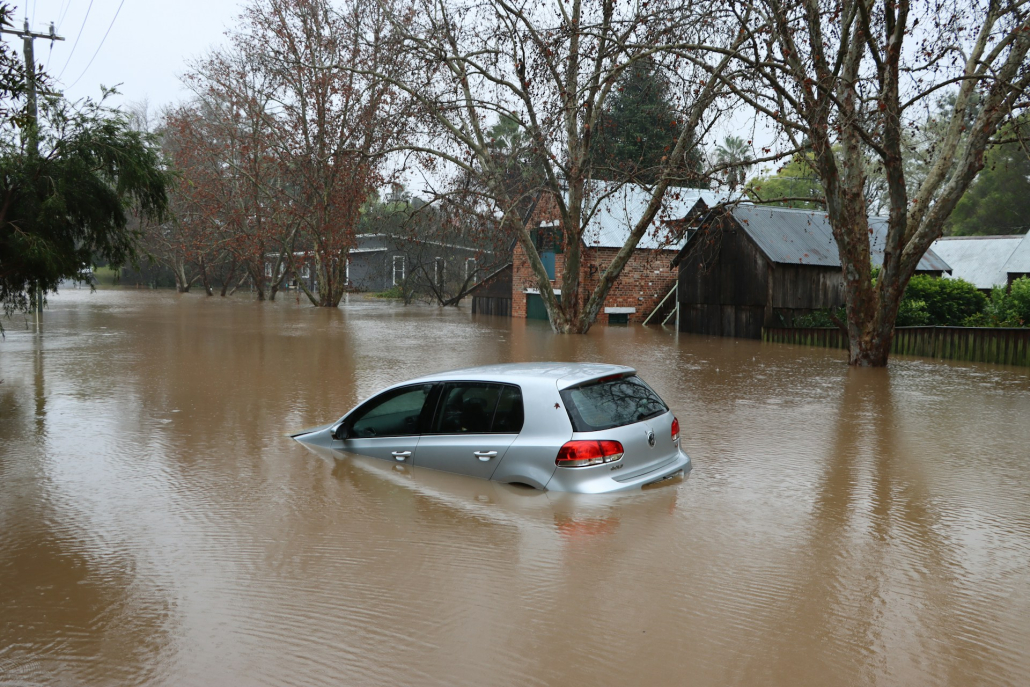
You come home after a heavy storm to find water pushing through your front door. It is not a hurricane. It is just rain, backed-up drainage, and flat land doing what flat land does in Florida. Your first call is to your homeowners insurance carrier, and the answer stops you cold: flooding is not covered.
That gap catches many Florida residents off guard. At Assured Insurance Services, most conversations about flood protection start with someone who just discovered this the hard way, or someone smart enough to ask before it happens.
Keep reading to learn what flood insurance actually pays for, how the National Flood Insurance Program stacks up against private options, what drives your cost in Florida specifically, and how flood zone designations affect your mortgage and your choices. This guide gives you real, specific answers rather than a generic overview you could find anywhere.
Why This Coverage Matters in a Flood-Prone State
Florida leads the nation in flood insurance policies in force, and there is a practical reason for that: the state’s flat terrain, high water table, and hundreds of miles of coastline create flooding conditions that standard policies simply do not address.
Why Standard Home and Renters Policies Leave a Gap
Your standard homeowners or renters policy is built around named perils like fire, theft, and wind damage. Rising water, whether from storm surge, heavy rainfall, or overflowing drainage systems, falls into a separate category that most carriers exclude entirely. This is not a fine-print surprise unique to one insurer; it is an industry-wide standard.
More than 30 percent of flood insurance claims come from properties outside high-risk zones, meaning people who never expected to need this coverage filed claims after real events. After major storms like Hurricane Ian, average NFIP claim payouts ran close to $70,000 per household. The average FEMA disaster assistance grant, which is not guaranteed, sits around $5,000. That gap is not something most families can absorb without coverage in place.
Renters face the same gap. If you rent a home or apartment in Florida, your landlord’s policy does not cover your belongings. A separate flood policy with personal property coverage is the only way to protect what you own when water enters your home.
Who Should Pay Attention Beyond High-Risk Coastal Areas
Flood risk in Florida is not limited to beachfront properties or canal-front homes. Inland neighborhoods in cities like Orlando, Jacksonville, and Tallahassee regularly experience flooding during heavy rainfall events that overwhelm local drainage infrastructure. If you live in a low-lying area or a neighborhood that sits near a pond, creek, or lake, your exposure is real even without a coastal address.
Florida also has a legal layer that many homeowners are now navigating. Citizens Property Insurance Corporation, the state-backed insurer of last resort, now requires policyholders above certain coverage thresholds to carry flood insurance.
Homeowners with $400,000 or more in dwelling replacement cost coverage and wind coverage through Citizens needed to have flood coverage in place by January 1, 2026. All remaining Citizens policyholders face the same requirement by January 1, 2027. If your home policy is through Citizens and you have not checked this requirement, now is the time.
How NFIP and Private Policies Compare
Two distinct paths exist for flood coverage in Florida: the federally backed National Flood Insurance Program and private market policies sold through independent carriers. Each has real advantages and real limitations depending on your property.
What the National Flood Insurance Program Offers
The NFIP is managed by FEMA and sold through a network of participating insurers. It is widely available, and lenders broadly accept it to satisfy mandatory purchase requirements. Coverage limits top out at $250,000 for the building structure and $100,000 for personal property. For many Florida homes, especially those with higher replacement costs, that ceiling may not be enough.
One structural feature to plan around: NFIP policies carry a 30-day waiting period from purchase to coverage activation. If a storm is already in the forecast when you call, it is too late to start a new NFIP policy in time. Buying coverage outside of hurricane season or well ahead of a known weather threat is the only way to avoid that gap.
The NFIP also includes up to $30,000 in Increased Cost of Compliance coverage, which helps pay for required improvements if your home must be elevated or otherwise modified after a flood loss to meet current building codes.
When Private Flood Coverage May Be Worth a Look
Private flood policies often include features that the NFIP does not offer at all. Waiting periods through private carriers can be as short as 10 to 15 days. Coverage limits are typically higher, sometimes $500,000 or more on the structure, which matters in Florida’s coastal and high-value markets.
Private policies may also include:
- Additional living expenses if your home is unlivable after a flood
- Replacement cost value on personal property rather than depreciated value
- Coverage for finished basements and detached structures
- Shorter or waived waiting periods depending on the carrier and your situation
Lenders accept private flood insurance as long as the policy meets the minimum coverage requirements, so switching from NFIP to private flood insurance does not automatically create a compliance issue. The trade-off is that private carriers can also choose to non-renew policies based on claims history or updated risk models, which adds some year-to-year uncertainty.
Understanding what each program covers at a structural level matters, but the specifics of what is paid after a claim is filed are just as important.
What a Flood Policy Usually Covers and Excludes
Knowing a policy exists is one thing. Knowing exactly what it covers when you file a claim protects you from a second shock after the water recedes.
Building Protection Versus Personal Belongings
Flood policies are generally written with two separate components: building coverage and contents coverage. Building coverage handles the physical structure of your home, including the foundation, walls, staircases, electrical and plumbing systems, built-in appliances, HVAC equipment, and permanently installed flooring. If water damages your water heater, wiring, or central air unit, building coverage responds.
Contents coverage is a separate purchase in most NFIP policies. It covers portable personal property like clothing, furniture, electronics, and small appliances. Many homeowners buy building coverage without adding contents coverage, only to discover after a claim that none of their belongings are covered. If you are comparing policies, confirm whether contents coverage is included or whether it costs extra.
Common Exclusions Like Landscaping, Cash, and Temporary Living Costs
Standard flood policies, especially through the NFIP, exclude a meaningful list of items that many people assume would be covered. Knowing these exclusions before you need the policy prevents painful surprises.
Common exclusions under NFIP policies include:
- Outdoor property like fences, decks, pools, patios, and landscaping
- Currency, precious metals, and valuable papers
- Vehicles and motorized equipment stored outside the home
- Temporary living costs if you cannot stay in your home during repairs
- Sewer backup damage unless it is directly caused by flooding
Some private policies do cover additional living expenses and may offer broader contents protection, which is one reason the comparison between NFIP and private options matters beyond just price. The exclusions list is where policies that look similar on a cost-per-year basis can differ significantly in what they actually deliver.
Understanding coverage boundaries is closely tied to another factor: your flood zone designation and what it means for what you are required to carry.
How Flood Zones Affect Lender Rules and Pricing
Your property’s flood zone designation is not just a label. It determines whether your lender can require coverage, and it is one of the most direct inputs into what you will pay for a flood policy in Florida.
What FEMA Designations Mean for Property Owners
FEMA publishes Flood Insurance Rate Maps that assign every property in the country to a flood zone. In Florida, the most important designations are:
- Zone A and AE: High-risk areas with a one percent or greater annual chance of flooding. Federally backed mortgage holders in these zones must carry flood insurance.
- Zone V and VE: Coastal high-hazard areas with additional wave action risk. These carry the highest rates and the most stringent lender requirements.
- Zone X: Moderate-to-low risk areas. There is no federal requirement, but flooding still happens here regularly.
- Zone D: Areas where flood risk has not been formally determined.
Flood maps are updated periodically, and many have not kept pace with development patterns or changing rainfall data. Your zone may have shifted without any notice to you. Checking FEMA’s current flood map for your address before renewing or purchasing coverage is worth the few minutes it takes.
When a Mortgage Company Can Require Coverage
If your home loan is backed by the federal government through agencies like the FHA, VA, USDA, Fannie Mae, or Freddie Mac, and your property sits in a Zone A or Zone V designation, flood insurance is mandatory, not optional. Your lender may require coverage equal to the lowest of three benchmarks: the building’s full replacement cost, the NFIP coverage limit, or the outstanding principal balance on your loan.
Private lenders without federal backing may also require flood coverage even in Zone X, depending on their internal risk policies. If you are purchasing a home and the flood zone is not part of your due diligence conversation, it should be.
Knowing your zone accounts for part of your cost, but construction details and rating factors account for the rest.
What Drives Cost Differences Across Florida Properties
Two homes a few streets apart can carry very different flood insurance premiums. The reasons come down to measurable property characteristics and how FEMA’s current rating model assigns risk.
Elevation, Location, and Construction Details
Elevation relative to the Base Flood Elevation for your zone is one of the strongest cost factors in Florida. A home built above the BFE typically pays significantly less than one that sits at or below it. An elevation certificate, prepared by a licensed surveyor, documents your home’s precise elevation and is often required or recommended when shopping for flood coverage.
Construction type also matters. Masonry construction tends to be rated more favorably than wood-frame construction. Homes built on piers or elevated slabs fare better than slab-on-grade construction in areas with regular flood exposure. Newer construction, built under more current floodplain management codes, typically sells for more than older homes that predate those standards.
Deductibles, Coverage Limits, and Risk Rating Factors
FEMA introduced Risk Rating 2.0 as its updated pricing model. It prices individual properties based on their specific flood exposure rather than applying broad zone-wide rates. Roughly 80 percent of Florida NFIP policyholders saw rate increases under this model, with some counties seeing annual premium jumps exceeding $3,500.
The shift toward property-specific pricing means that being in a low-risk zone no longer guarantees a low rate if your home’s individual characteristics indicate exposure.
You can influence your premium by selecting a deductible. NFIP deductibles range from $1,000 to $10,000. Choosing a higher deductible lowers your annual premium but increases what you pay out of pocket after a claim.
Coverage limits also directly affect price, so matching your limits to your actual replacement cost and personal property value, rather than defaulting to the maximum, is a practical way to manage costs without leaving gaps.
With pricing variables in hand, the next step is knowing how to compare your actual options without leaving money or coverage on the table.
How to Compare Your Options With Confidence
Shopping for flood coverage in Florida is not as simple as picking the cheapest annual premium. The differences between policies show up in the details, and those details matter most when you are standing in a flooded living room.
Questions to Ask Before You Choose a Policy
Before you commit to any flood policy, the following questions help you evaluate what you are actually getting:
- What is the waiting period before coverage becomes active?
- Does the policy cover personal property, or only the building structure?
- Are additional living expenses included if you cannot stay in your home?
- How are personal property claims settled, at replacement cost or depreciated value?
- Does the policy cover detached structures like garages or sheds?
- What deductible applies to building claims versus contents claims?
- Will the carrier accept the policy to satisfy your lender’s flood insurance requirement?
Asking these questions across both NFIP and private options puts you in a position to compare policies on value, not just price.
When an Independent Agent Can Help You Compare Side by Side
An independent agent can request quotes from both the NFIP and multiple private carriers simultaneously, which gives you a true comparison rather than a single offer. This matters in Florida because private market pricing has become increasingly competitive for certain zones and property types, while NFIP remains the reliable baseline for high-risk properties where private carriers are selective about what they will write.
Florida’s flood insurance landscape also shifts with regulatory changes, updated flood maps, and annual NFIP reauthorization decisions in Congress.
A local agent who tracks these changes can flag when a renewal increase is driven by a change in rating methodology versus a legitimate risk shift, and help you decide whether switching programs makes sense. The goal is not to find the lowest number on a quote sheet. It is to find the policy that actually responds the way you expect when water enters your home.
Frequently Asked Questions
What Does Flood Insurance Protect in a Florida Home, and What Usually Stays Out of Coverage?
Flood insurance protects the physical structure of your home, including the foundation, walls, electrical systems, HVAC equipment, and built-in appliances. Personal belongings are covered only if you add separate contents coverage. Landscaping, outdoor structures, temporary housing costs, and currency are typically excluded.
How Is Your Flood Insurance Premium Priced, Including Your Flood Zone and the FEMA Risk Rating Used for Your Address?
Your premium is based on your property’s specific flood risk as calculated under FEMA’s Risk Rating 2.0 model, which considers your elevation, distance to water, construction type, and flood zone designation. Properties in Zone AE or VE generally pay more than those in Zone X, but individual property characteristics can raise or lower the rate within any zone.
What Makes the Cost Change by ZIP Code, and How Can You Compare Quotes Without Missing Important Coverage Details?
Local flood history, drainage infrastructure, soil type, and proximity to bodies of water all influence pricing at the ZIP code level. Comparing quotes means looking beyond the annual premium to confirm waiting periods, inclusion of contents coverage, deductible structure, and whether the policy meets your lender’s specific requirements.
Do You Need Flood Insurance if You Are in a Low or Moderate Risk Area, or if Your Lender Does Not Require It?
More than 30 percent of flood claims nationwide come from properties outside high-risk zones, so low-risk designation does not mean zero risk. Even without a lender mandate, the financial exposure from a single flood event, often tens of thousands of dollars, makes coverage worth evaluating seriously.
What Has Changed Recently in Florida Flood Insurance Rules and Rating, and How Could That Affect Your Renewal?
Florida now requires Citizens Property Insurance Corporation policyholders with coverage above certain thresholds to carry flood insurance, with full compliance deadlines extending through January 2027. FEMA’s Risk Rating 2.0 has also shifted pricing for most NFIP policyholders, with the majority seeing annual increases that vary based on individual property risk factors.
How Do You Choose Between NFIP Coverage, Meaning the FEMA-Backed Program, and Private Flood Insurance Through Independent Carriers?
The NFIP offers predictability and broad lender acceptance, with coverage up to $250,000 on the structure and a 30-day waiting period. Private flood insurance often provides higher limits, shorter waiting periods, and additional features such as loss-of-use coverage. The right choice depends on your property’s replacement cost, lender requirements, and how much flexibility you want in coverage design.
Protect What You Have Before the Next Storm Season
Florida’s flood exposure is real, and it does not remain confined to designated high-risk zones. Whether you are a homeowner in a canal-front neighborhood, a renter in an inland apartment, or a buyer navigating a lender requirement for the first time, the right flood policy is the one that matches your actual exposure and fills the gap your homeowners policy leaves open.
Assured Insurance Services works with Florida homeowners and renters to compare flood coverage options across both NFIP and private carriers, without pushing one path over the other.
If you want a straightforward conversation about what your property actually needs, reach out to the team in Stuart, FL, and get the kind of honest, personalized guidance that helps you make a confident decision before the next storm season arrives.


Leave a Reply
Want to join the discussion?Feel free to contribute!